

Where you bring your pet for the very best care
Building an individual health plan for each patient based on their specific needs
Veterinary Osteopathy
Veterinary osteopathy is a gentle, hands-on therapy that focuses on how the body’s structure affects function. By finding and releasing areas of restriction in joints, muscles, and connective tissue (fascia), osteopathy can help your pet move more comfortably and support the body’s natural ability to heal.
How osteopathy works
When part of the body becomes stiff or strained—after an injury, with arthritis, after surgery, or from long-term compensation—pets often shift how they move. That compensation can create ongoing tension, soreness, or reduced performance.
Osteopathy uses skilled palpation and precise manual techniques to:
improve mobility and range of motion
reduce muscle and fascial tension
decrease compensatory strain
support more balanced movement and comfort
Techniques are typically very gentle and tailored to your pet’s needs.
When osteopathy can help
Osteopathy is commonly used for:
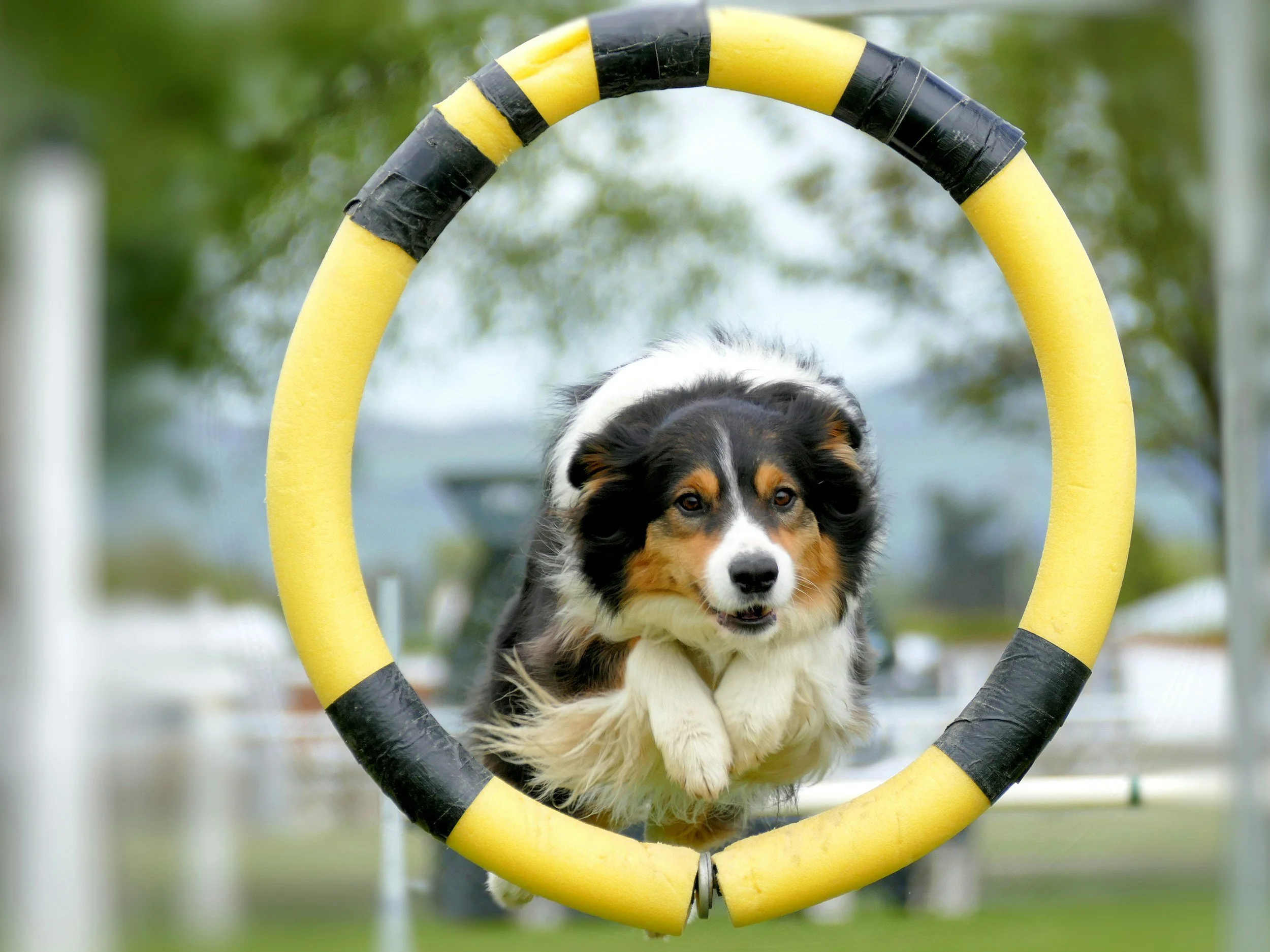
agility dogs
arthritis and age-related stiffness
neck or back discomfort
recovery support after injury or surgery (when appropriate)
recurrent or “migrating” lameness and compensation patterns
reduced performance, reluctance to jump, climb stairs, or exercise
Benefits for patients
Every pet is different, but common goals include:
improved comfort and mobility
smoother gait and posture
better flexibility and ease getting up, walking, and playing
support for rehabilitation and long-term quality of life
What to expect at your visit
We start with a brief medical review and movement assessment, then a hands-on exam to identify restrictions and compensation. Treatment is calm and typically well-tolerated—many pets relax deeply. You’ll leave with clear recommendations for at-home support and a follow-up plan based on your pet’s response.
Is it safe?
When performed by a properly trained veterinary professional, osteopathy is safe and gentle. We modify or avoid treatment when it isn’t appropriate (for example: suspected fractures, unstable neurologic conditions, or certain medical concerns). If needed, we may recommend diagnostics or coordinate with your primary veterinarian.